
Hardware & robotics
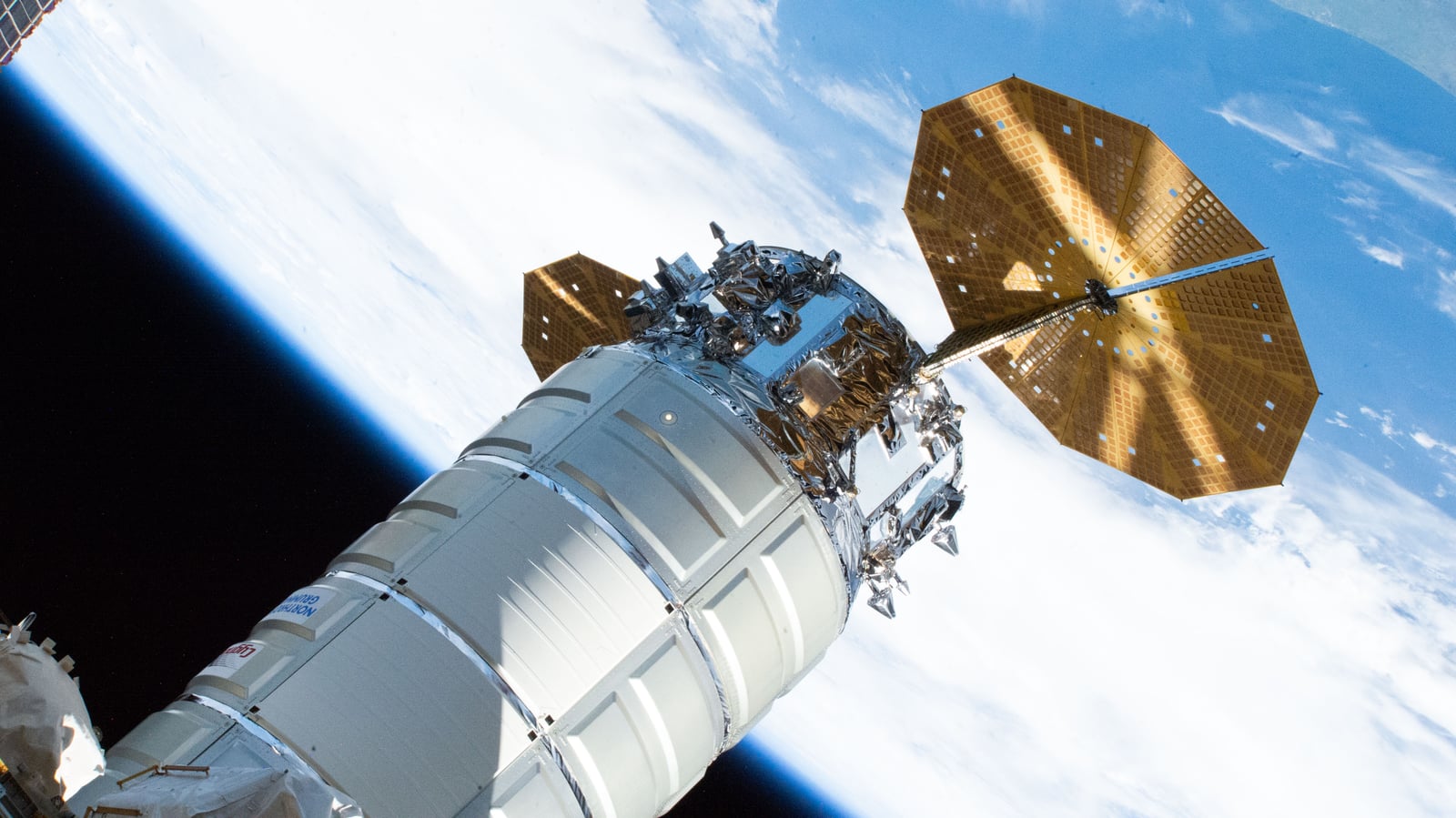
Falcon 9 sends Cygnus XL and nearly 5 tonnes of cargo to the ISS
The CRS-25 mission carried about 4,990 kilograms of experiments, equipment and supplies to the International Space Station. NASA has scheduled the spacecraft's capture for 1 December.
What happened
A SpaceX Falcon 9 lifted off from Space Launch Complex 40 at Cape Canaveral, Florida, on 29 November at 10:47 a.m. local time. The rocket carried Northrop Grumman's Cygnus XL cargo spacecraft on the Commercial Resupply Services-25 (CRS-25) mission to the International Space Station (ISS). NASA confirmed that approximately 11,000 pounds, or 4,990 kilograms, of science investigations and cargo were aboard.
Space.com reported that the Falcon 9 first stage returned to Earth and landed at Landing Zone 40 about seven and a half minutes after liftoff. Cygnus XL was then deployed into low Earth orbit as planned. CBS News also confirmed the launch from Cape Canaveral at the same time.
Research is a major part of the payload
The CRS-25 cargo is not limited to supplies for the station crew. In a separate release on 29 November, NASA listed experiments involving improved drug delivery for cancer and osteoarthritis, research into cancer spread, approaches to muscle loss, and better radiation monitoring.
The investigations use the microgravity environment aboard the ISS to examine questions relevant to health research and longer-duration missions. NASA also listed work intended to support food production for future human missions to the Moon and beyond.
Arrival is scheduled for 1 December
NASA expects Cygnus XL to reach the ISS at about 2:35 a.m. EST on 1 December. Astronauts Jessica Watkins and Luke Delaney are scheduled to capture the spacecraft with the Canadarm2 robotic arm before it is installed on the Earth-facing port of the station's Unity module.
The arrival and capture time remains an operational plan, not a completed event. NASA says the spacecraft is expected to remain at the station until May 2027 before departing with items no longer needed aboard the orbiting laboratory.
Sources
Independently written with AI assistance and source verification.
Report a correction ↗SHARE
Found this useful?
Pass this article along to a friend or colleague.