
A deterministic rule is often preferable when the decision is explicit. A model can be helpful when the input is variable or difficult to parse, but its output still needs evaluation.
Separate reading from authorisation
An invoice extraction tool can propose a document number and amount. Rules can validate formats and route high-value requests to a reviewer. The extraction output itself must not authorise an external transaction.
Identify where a model adds value
For variable documents, evaluate a model on representative, authorised examples. Track errors for critical fields, such as amounts and identifiers, separately from less consequential fields. Define a fallback for missing or uncertain output.
Combine methods with clear boundaries
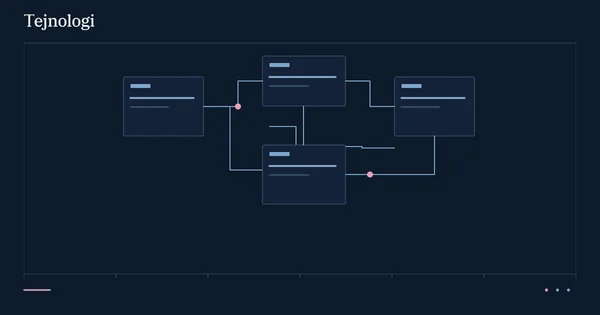
A hybrid flow can use a model for extraction, deterministic validation for required data, and a person for exceptions. Record the decision path. The NIST AI Risk Management Framework describes a structured way to discuss AI risk and evaluation.
Our Adaptive Workflow Studio demonstrates browser-based document processing, configurable rules and simulated review. It does not perform external writes or payments. Start with a clear process and add probabilistic components only where a measured pilot supports them.